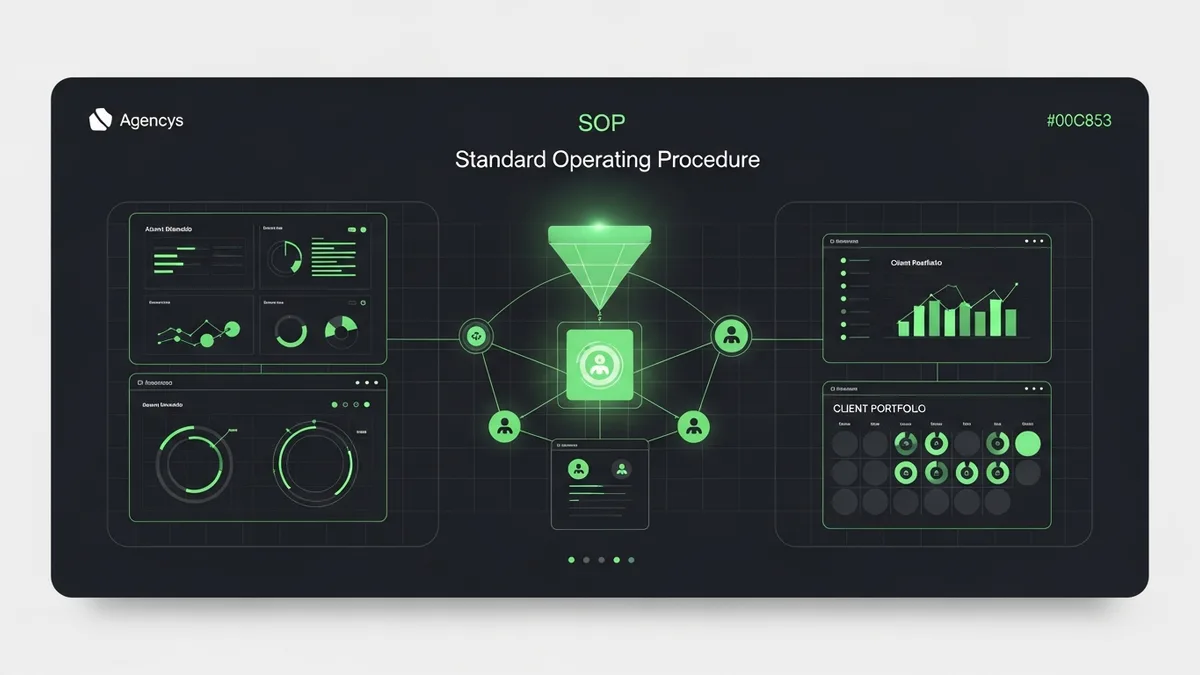
Your SOPs Are Probably Just Google Docs Nobody Reads
I spent three years at an agency before I realized our standard operating procedures were fiction. We had beautiful documents in Google Drive. Detailed steps. Screenshots. Color-coded headers. And not a single account manager followed them consistently.
The result? One client's landing page went down for five days. Nobody noticed because the AM responsible for that account had their own "system" for checking things, which apparently meant checking every other Thursday if they remembered.
Agency sop funnel monitoring isn't about having SOPs. It's about having SOPs that actually get enforced through automation, not willpower.
Why Most Agency SOPs Fail at Funnel Monitoring
The problem is human. People get busy. They manage 8, 10, 15 clients. They cut corners. The client who screams the loudest gets attention, and the quiet accounts slowly deteriorate.
I've managed multi-client portfolios, and I know the temptation. You have 45 minutes before a client call, so you skip the weekly funnel check for three accounts that "seem fine." Then you skip it next week too. Then a month goes by and you discover the checkout page has been throwing a JavaScript error on Android devices since the developer pushed an update three weeks ago.
Here's a stat that keeps me honest: across our agency clients, we've found that 23% of funnel issues are discovered more than 72 hours after they start. That's three days of broken funnels, wasted ad spend, and lost revenue. For most agencies, the number is way worse because they don't have automated monitoring at all.
Building Agency SOP Funnel Monitoring That Sticks
Stop relying on checklists that humans need to complete manually. Automate the checks. Here's what we do:
- Every client landing page gets added to FunnelLeaks on day one of onboarding. No exceptions.
- We set up Slack alerts by client channel, so the AM responsible sees alerts in their workflow
- Weekly automated reports go to a shared channel so nobody can claim they didn't know about an issue
- Monthly, we review which alerts fired and how quickly they were resolved
The key shift is moving from "did someone check the funnel?" to "the funnel was checked automatically and here's the status." Your SOP becomes about responding to alerts, not remembering to run checks.
The Client Retention Angle
Here's something agencies don't talk about enough. Clients leave when they feel like nobody's paying attention. If you can send your client a weekly report that says "we monitored all 6 of your funnel pages, everything is green, here are the response times," that's trust-building on autopilot.
We had a client tell us they stayed with our agency specifically because we caught a checkout issue before they did. Their in-house team didn't notice. Their previous agency wouldn't have noticed. But our automated agency sop funnel monitoring flagged the problem at 11 PM on a Saturday, and we had it fixed by Sunday morning.
That client renewed their contract for another year. That's worth more than any sales pitch. Tools like Semrush and Ahrefs handle the SEO reporting side, but for real-time funnel health, you need something purpose-built.
Start With Your Top 5 Clients
Don't try to overhaul everything at once. Pick your five highest-value clients. Set up automated monitoring on every active landing page and checkout flow they have. Get the alerts routing to the right people. Build the habit of responding to alerts within an hour during business hours.
Once that's working, expand to the rest of your roster. Within a month, your agency sop funnel monitoring goes from "that doc in Google Drive" to an actual system that catches problems and protects revenue.
If you're running an agency and you don't have this in place, check out FunnelLeaks' agency plans. We built multi-client monitoring specifically for teams that manage lots of funnels and can't afford to miss a broken page.