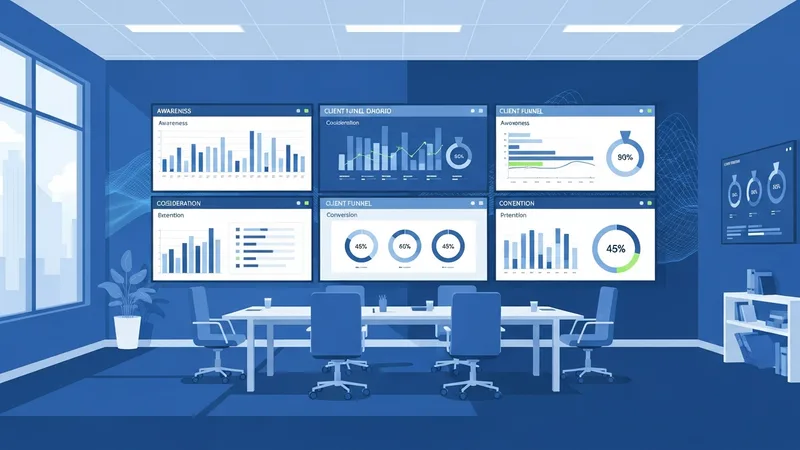
The Conversation No Agency Wants to Have
Agency funnel monitoring is the difference between catching a broken page in five minutes and explaining to a client why you spent their money on a dead funnel for a week. I have worked with agencies on both sides of the worst phone call in client services. It goes something like this:
"We just realized our landing page has been broken for a week. You have been running our ads this entire time. We want a refund on the last seven days of ad spend."
If you run an agency and you have not had this call yet, you will. It is not a matter of if but when. The question is whether you will have monitoring in place that catches the problem before your client does, or whether you will be scrambling to explain why you spent their money on a broken funnel.
Why Agency Funnel Monitoring Is Non-Negotiable
When a client hires an agency to manage their paid media, they make an implicit assumption: you are watching everything. They expect you to know if something breaks. The reality is that most agencies monitor ad platform metrics. Click-through rates, cost per click, conversion rates as reported by the platform. But they do not monitor the actual pages their ads point to. This is a agency funnel monitoring problem that monitoring catches early.
This creates a dangerous gap. The ad platform reports clicks. But whether the page those clicks land on is functional, fast, and converting is outside the ad platform's scope. That gap is where client relationships go to die.
We saw the same pattern play out in real Cost of a Slow Landing Page and How to Calculate It.
A few things that can happen to client pages without the agency knowing:
- The client's developer pushes an update that breaks the checkout form
- The client's SSL certificate expires over a weekend
- A WordPress plugin update causes a conflict that slows the page to a crawl
- The client's hosting provider has an outage that takes pages offline
- A third-party script update breaks the page layout on mobile devices
In every one of these scenarios, the agency's ads keep running. The budget keeps spending. And the agency has no idea until the client sees the damage in their own analytics. Or worse, when a customer complains. Addressing agency funnel monitoring issues like this prevents the damage from compounding.
Making Funnel Monitoring Part of Client Onboarding
The agencies that retain clients longest and command the highest fees have one thing in common: they early monitor everything they touch. They do not wait for problems to surface. They build detection systems during onboarding that catch issues before they cost money.
Here is what a thorough client funnel monitoring onboarding looks like:
For more on this topic, read our breakdown of your A/B Test Results Might Be Completely Wrong.
Step 1: Map the complete funnel
Document every URL in the client's funnel. From ad click to final conversion. This includes landing pages, bridge pages, checkout pages, upsell pages, and thank-you pages. Do not stop at the conversion point. As we discussed in our piece on monitoring thank-you pages, post-conversion pages carry significant value. A reliable agency funnel monitoring check would have flagged this within minutes.
Step 2: Establish baseline metrics
Before running ads, record the baseline performance of each page: load time, HTTP status, SSL validity, form functionality, and tracking pixel status. These baselines become your reference points for detecting when something changes.
Step 3: Set up automated monitoring
Configure automated checks on every page in the funnel. At minimum, monitor:
- Page availability (HTTP status codes)
- Page load speed with alerting thresholds
- SSL certificate validity and expiration warnings
- Form submission functionality
- Tracking pixel firing status
- Redirect chain integrity
Step 4: Connect monitoring to ad campaign controls
The most important step is connecting your monitoring system to your ad platforms. When a critical check fails. A page goes down, a form breaks, SSL expires. Your campaigns should automatically pause. This is the single most impactful safeguard you can implement. This is why agency funnel monitoring detection matters for every campaign.
Step 5: Establish communication protocols
Define how and when you notify the client about detected issues. A good protocol includes immediate notification for critical failures, daily summaries for non-critical issues, and weekly health reports showing the overall status of their funnel.
The Competitive Advantage of Monitoring
Agencies that implement funnel monitoring gain three distinct advantages over competitors who do not:
- Client retention improves. When you catch a broken landing page before the client notices and early pause their ads, you show a level of care and competence that builds deep trust. Clients do not leave agencies that protect their money.
- Campaign performance looks better. When funnel issues are caught quickly, they do not have time to drag down overall campaign metrics. Your reported ROAS and CPA numbers look better because they are not polluted by periods of broken funnels.
- You can charge more. Funnel monitoring is a value-add service that most agencies do not offer. Packaging it as part of your management fee. Or as a separate line item. Positions you as a premium provider who delivers more than just ad management.
Start With Your Highest-Spend Clients
You do not need to monitor every client's funnel on day one. Start with the clients who spend the most on ads, because they have the most to lose when something breaks. Set up monitoring on their critical pages, prove the value with the first issue you catch early, and then roll it out across your client portfolio.
If you want to see what monitoring would flag on your clients' pages right now, run a free scan on their landing pages. You might find issues that have been quietly degrading campaign performance for weeks.