How a Slow Landing Page Bleeds Revenue Every Day
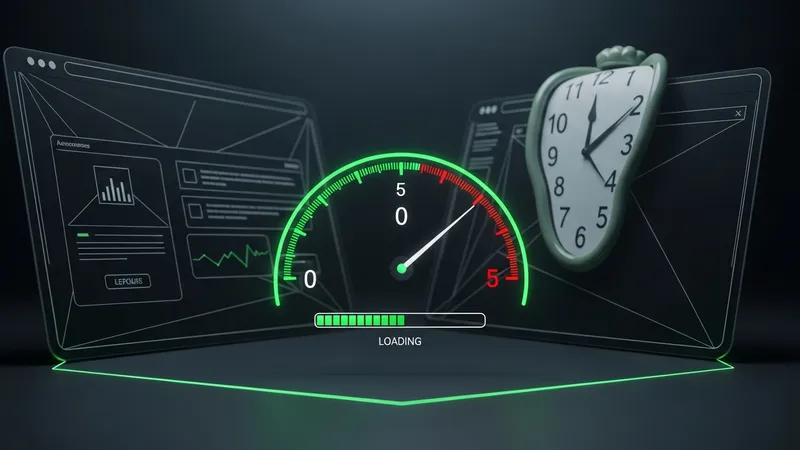
A slow landing page is the most expensive invisible problem in paid advertising. Every extra second of load time costs you conversions and wastes ad spend.
The relationship between page speed and conversions is one of the most well-documented facts in digital marketing.
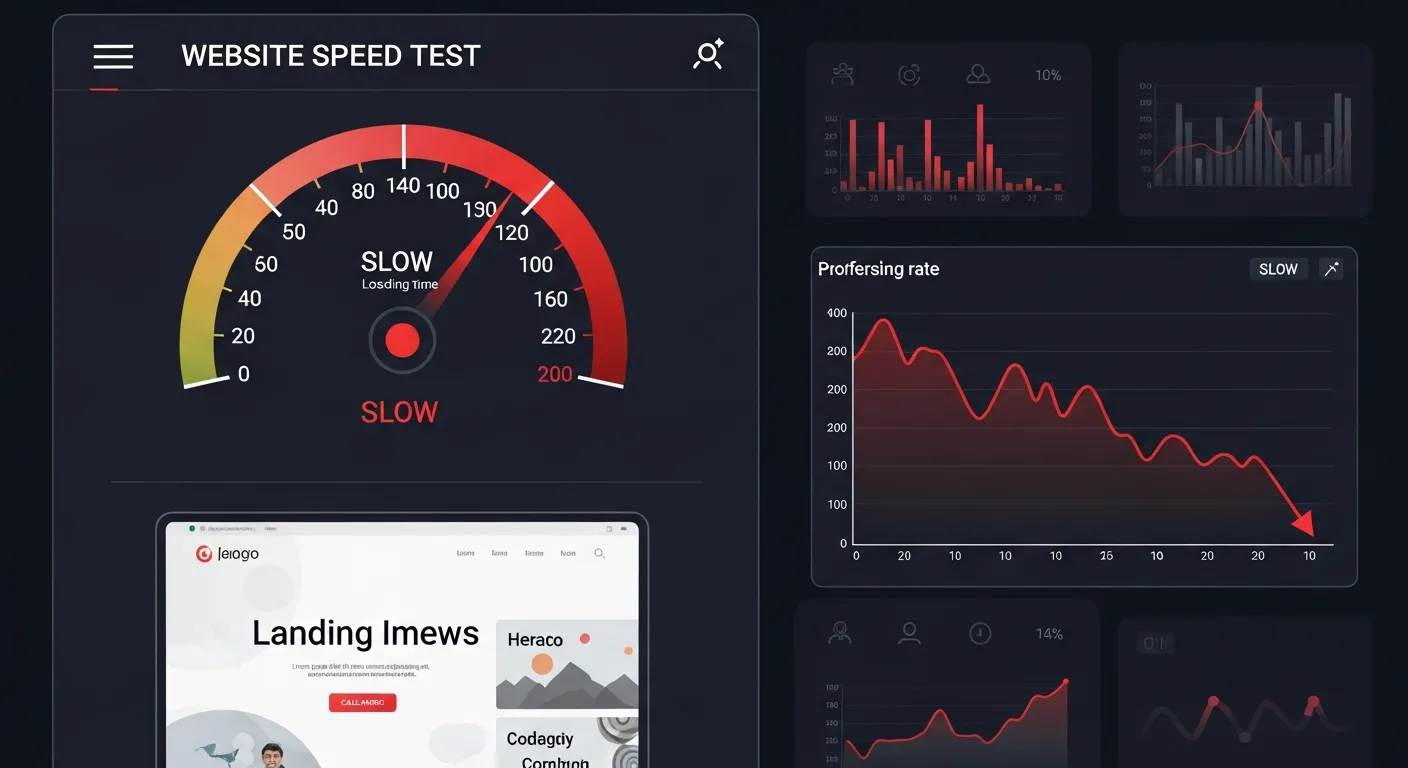
A slow landing page drives visitors away before they see your offer. Research from Google shows that 53% of mobile visitors abandon a page that takes longer than 3 seconds to load. For every additional second of load time, conversion rates drop by an average of 7%. If your landing page takes 5 seconds to load, you are losing roughly 14% of potential conversions before visitors even see your offer.
These numbers prove that a slow landing page costs you real money. They represent real money leaving your business every day your landing pages are slow.
What Makes Landing Pages Slow
Unoptimized Images
Images are the single largest contributor to page weight. A single uncompressed hero image can be 3-5 MB. Larger than the entire rest of your page combined. Serving images in modern formats like WebP and properly sizing them for each device can reduce page weight by 50-80%.
You might also want to read about real Cost of a Slow Landing Page and How to Calculate It.
Too Many Third-Party Scripts
Every tracking pixel, chat widget, analytics tool, and A/B testing script adds to your page load time. It is common for landing pages to load 15-20 third-party scripts, each making its own network request. These scripts often load synchronously, meaning each one blocks the next from starting. This is also a common reason your Meta Pixel may stop firing. Script conflicts can cause tracking failures alongside speed issues.
Unminified CSS and JavaScript
Development code includes whitespace, comments, and descriptive variable names that help developers but slow down browsers. Minification removes all unnecessary characters, typically reducing file sizes by 30-50%.
No Content Delivery Network
Without a CDN, every visitor loads your page from a single server location. A visitor in Tokyo loading a page from a server in New York faces 200-300ms of latency just from the physical distance. CDNs solve this by caching your content on servers worldwide.
Server Response Time
Even before your page starts loading, the server needs to process the request and return a response. Slow databases, inefficient code, or overloaded hosting can push server response times from the ideal 200ms to over 1 second.
How to Measure Page Speed
Google provides several free tools for measuring page speed:
- PageSpeed Insights: Tests your page and provides a score from 0-100 along with specific recommendations
- Lighthouse: Built into Chrome DevTools, provides detailed performance audits
- Core Web Vitals: Measures real-world user experience metrics including Largest Contentful Paint (LCP), First Input Delay (FID), and Cumulative Layout Shift (CLS)
These tools are excellent for one-time audits, but they do not tell you when your page speed degrades over time. A page that scores 95 today might score 60 next month after a new script is added or a CDN configuration changes.
Why Continuous Speed Monitoring Matters
Page speed is not a set-it-and-forget-it metric. Your landing page speed changes constantly due to server load variations, third-party script updates, CDN cache behavior, and traffic spikes. Without continuous monitoring, you only discover speed problems when conversion rates have already dropped.
FunnelLeaks monitors page load speed as part of every health check cycle. When your page speed crosses a threshold, you get an alert immediately. Not days later when you happen to run a manual test.
Quick Wins for Faster Landing Pages
- Compress all images to WebP format with a maximum width of 1200px
- Defer non-critical JavaScript using the
deferorasyncattribute - Enable GZIP or Brotli compression on your server
- Use a CDN for all static assets
- Remove any third-party scripts you are not actively using
- Set proper cache headers so returning visitors load faster
Speed Is Just One Part of Funnel Health
A fast page that has a broken form or an expired SSL certificate still leaks revenue. Speed optimization works best as part of a comprehensive monitoring strategy. Our article on how broken landing pages drain your ad budget covers all the ways unmonitored pages cost you money. Speed is just the beginning.
Stop Losing Conversions to Slow Pages
Every second counts. A landing page that loads in 1.5 seconds instead of 4 seconds can double your conversion rate from the same traffic. Combined with automated monitoring to catch speed regressions early, page speed optimization is one of the highest-ROI activities for any marketing team.
Run a free speed check on your landing page to see exactly how fast it loads and get actionable recommendations.