Common Reasons Your Meta Pixel Stops Firing
When your meta pixel stops firing, your Facebook campaigns go blind and every dollar of ad spend is wasted.
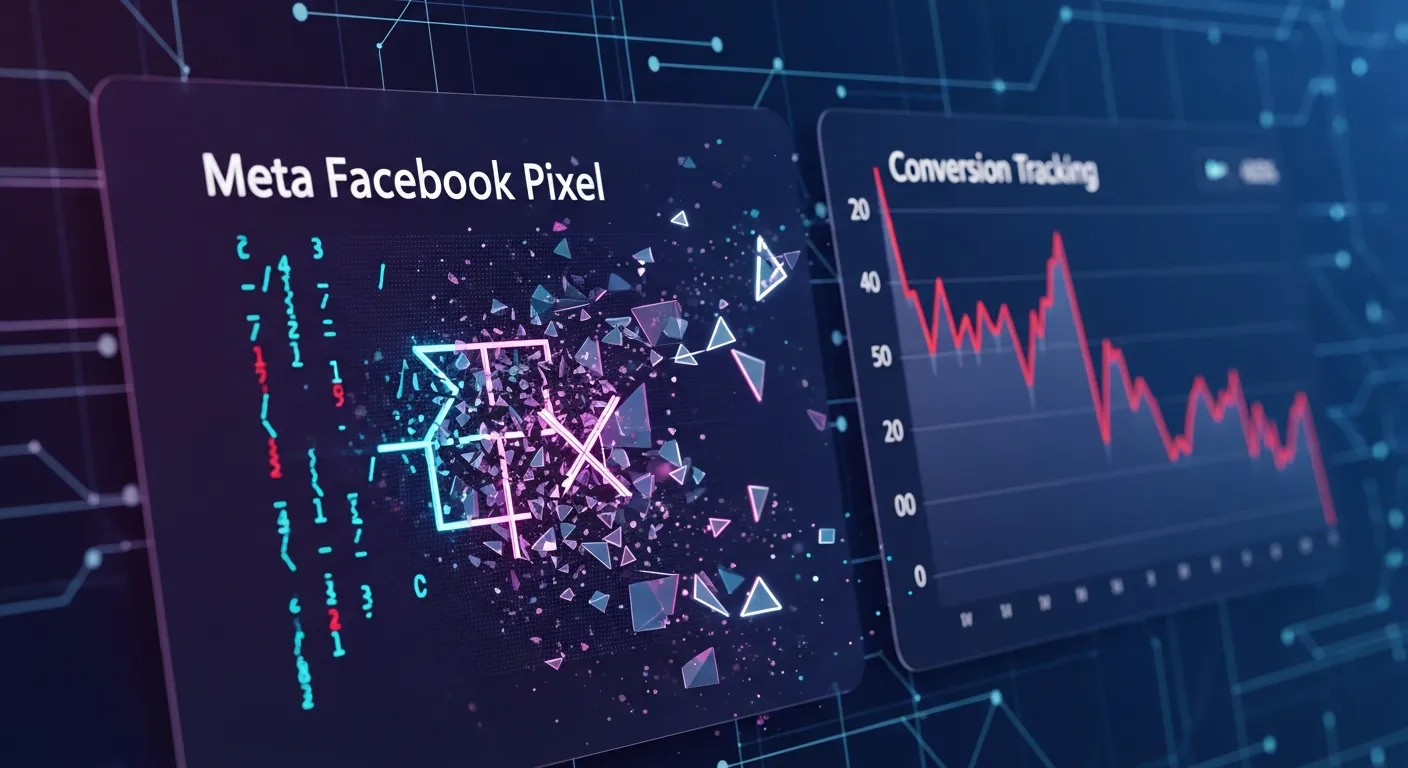
Your Meta Pixel (formerly Facebook Pixel) is the engine behind campaign optimization, retargeting audiences, and conversion tracking related to meta pixel stops firing. When it stops firing, your campaigns go blind. Meta can no longer tell which clicks convert, which audiences are most valuable, or which creatives perform best.
The worst part? A broken Meta Pixel does not cause any visible error on your page. Your landing page looks and functions perfectly. Visitors can still fill out forms and make purchases. The only sign that something is wrong is a slow, steady decline in campaign performance over days or weeks.
Common Reasons Your Meta Pixel Stops Working
1. Browser Privacy Updates
Apple's Intelligent Tracking Prevention (ITP) in Safari, Firefox's Enhanced Tracking Protection, and Chrome's evolving cookie policies all interfere with pixel tracking related to meta pixel stops firing. Each browser update can change the rules, causing previously working pixels to fail for a segment of your audience.
This connects directly to what we explored in google Ads Handles a Broken Landing Page and Why You Should Care.
2. Tag Manager Misconfigurations
Google Tag Manager is the most common way to deploy a Meta Pixel. But GTM has trigger conditions, firing rules, and container versions that can easily get misconfigured. A team member updating one tag can accidentally break another. Container version rollbacks can remove your pixel entirely.
3. Content Security Policy Headers
If your development team adds or modifies Content Security Policy (CSP) headers on your server, they can inadvertently block the Meta Pixel script from loading related to meta pixel stops firing. The pixel silently fails without any console error visible to non-technical users.
4. Ad Blockers
Roughly 30% of internet users run ad blockers that prevent tracking pixels from firing. While you cannot control this, you need to account for it in your conversion data and understand the gap between actual and reported conversions.
5. Single-Page Application Routing
If your landing page or website uses a JavaScript framework like React, Vue, or Angular, standard pixel tracking may not detect page navigation. These frameworks change the page content without traditional page loads, so your pixel only fires once. On initial load. And misses all subsequent page views.
How to Diagnose a Broken Meta Pixel
Meta provides the Pixel Helper Chrome extension, which shows pixel events in real-time as you browse your site. This is useful for manual checks but has two limitations: it requires someone to actively test each page, and it only works in Chrome.
For systematic monitoring, you need automated checks that verify your pixel is firing on every monitored page, on every check cycle. FunnelLeaks includes Meta Pixel verification as one of its 22 automated health checks, alerting you the moment your pixel stops firing on any monitored URL.
Fixing Common Pixel Issues
- Reinstall the base code: Copy the latest pixel base code from Meta Events Manager and replace the existing code on your site
- Verify domain ownership: Complete Meta's domain verification process to improve pixel reliability
- Implement the Conversions API: Server-side tracking via the Conversions API provides a backup data path that is not affected by browser restrictions
- Audit your Tag Manager: Review all GTM triggers and ensure your pixel fires on the correct pages with the correct events
- Check CSP headers: Ensure your Content Security Policy allows connections to facebook.com and fbcdn.net domains
Pixel Failure Is One of Many Funnel Leaks
A broken Meta Pixel is just one of the 7 warning signs that your marketing funnel is leaking revenue. Other silent killers include slow page speeds, expired SSL certificates, and broken forms. In fact, page speed alone can cost you 7% of conversions for every extra second of load time.
Prevention Is Better Than Diagnosis
Every day your Meta Pixel is broken is a day of lost optimization data that you can never recover. Campaign performance degrades, audiences become stale, and your cost per acquisition creeps upward.
Run a free scan on your landing page to check whether your Meta Pixel is firing correctly. Plus 21 other critical health checks.